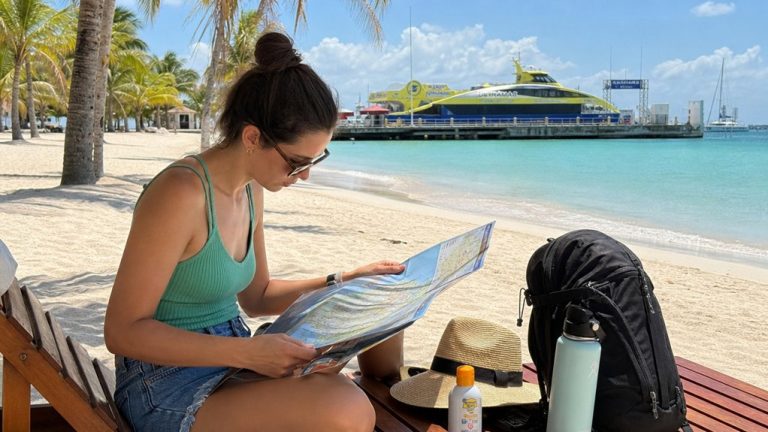
What to Know Before Visiting Cancun
Before visiting Cancun, learn the passport, season, beach, and transfer details that can make or break your trip in ways most travelers miss.
You might not know that Cancun’s beach mood can change fast, from clear turquoise water to sargassum-streaked shore, depending on the week. Before you book, check your passport dates, airport transfer plan, and the season, because a smooth trip here starts long before your sandals hit the tile. Once you sort that out, you can figure out where to stay, when to go, and how to avoid paying too much for a short taxi ride.
Key Takeaways
- Your passport must remain valid for your stay, complete the FMM entry form, and check Mexico visa rules before flying.
- Visit December to April for the best weather; June to November brings hurricane risk, so monitor forecasts and buy weather-delay insurance.
- Sargassum often peaks March to August, affecting beaches, so check current conditions and keep backup plans like pools, cenotes, or Nichupté Lagoon.
- Choose the Hotel Zone for beachfront convenience and nightlife, or downtown for lower prices, local food, and easy bus access.
- Use ADO buses, hotel shuttles, or prebooked transfers from the airport, and avoid risky ride-hailing pickups at terminals.

Private Cancun Airport Round Trip Transportation
Our staff is committed to providing excellent service, All our operators are certified drivers ready to help you with your luggage and take it quickly...

Prívate Transfer: Cancun Airport to Cancun, Playa or Tulum
Private & Personalized – This is a 100% private transfer, meaning the vehicle is reserved only for you and your gr...

Cancun Airport: Shuttle Cancun or Playa del Carmen Hotels
With this convenient and affordable service, you won't have to worry about scheduling a taxi or trying to navigate o...

Mera VIP Lounge at Cancun International Airport
Make the most out of your airport departure experience at the Mera Business Lounge, Cancun Airport's most exclusive...
Check Cancun Entry Rules and Passport Validity
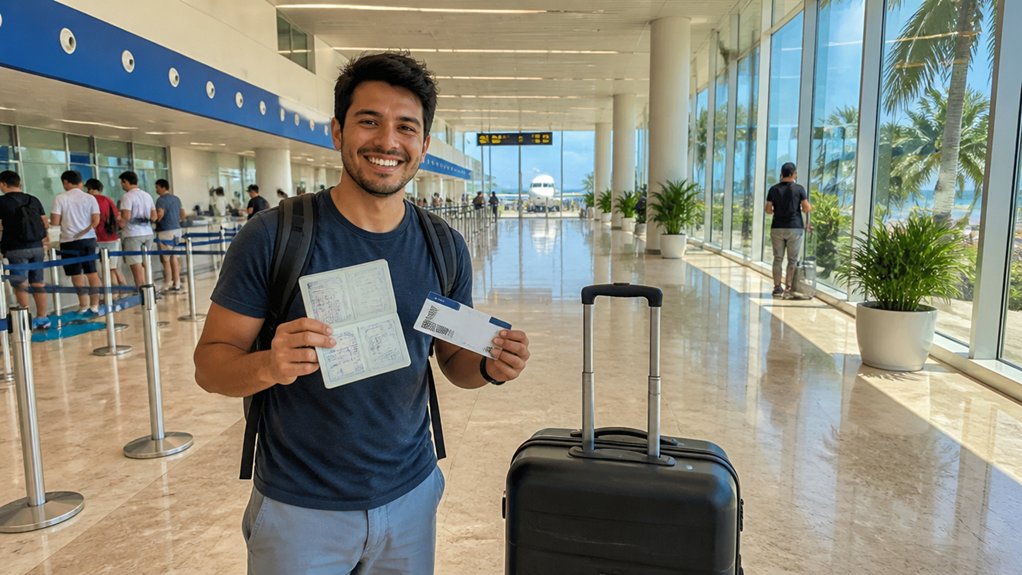
Before you picture that first bright stretch of Cancun sand, make sure your paperwork is just as smooth as your landing. Bring a valid, unexpired passport. Mexico only asks that it stay valid for your trip, so you don’t need the usual six-month cushion.
Most visitors also complete a Forma Migratoria Múltiple (FMM) on arrival, whether on the plane, at the airport, or online before you go. Keep it safe for departure. Replacing a lost one can cost about US$24. Check visa requirements on the INM website before flying. If a minor travels without both parents, pack a notarized authorization letter with names, dates, purpose, and signatures too. The electronic FMM is issued as a single entry document and can be valid for up to 180 calendar days once stamped at entry. That small folder can save you from airport shrugs and a very unglamorous paperwork detour later.
Choose the Best Time to Visit Cancun
If you want Cancun at its brightest and breeziest, aim for December through April, when dry days, blue water, and warm sun make the beaches look almost edited, though prices climb right along with the crowds.
Peak season runs December–April, so you’ll pay more for that easy postcard weather. For lighter crowds and better rates, try late April or May, when highs hover near 87°F and the sea still feels inviting. Hurricane season June–November, especially August through October, brings humidity, showers, and storm risk, so check forecasts and buy travel insurance. Sargassum seaweed surges (sargazo) most often from March to August, so watch the Red de Monitoreo de Sargazo. Current regional tracking also points to a major Sargassum year in 2026, with continued beaching risk across the Caribbean in the coming months. If you’re chasing whale sharks, go May to September. Pack repellent too. And long sleeves.
Pick the Right Area to Stay in Cancun
Cancun works best when you match your hotel address to your trip style. The Hotel Zone puts you on the beach with all-inclusive resorts, lively pools, and nightlife that keeps humming after sunset. It’s a smart base if you want easy sand time and access to shuttles, cabs, and day trips to Isla Mujeres or the Riviera Maya, but rates run higher. First-timers often find the Hotel Zone easiest to navigate because its long boulevard connects beaches, shopping, restaurants, and major resorts in one strip. Downtown suits travelers who’d rather spend less and eat better. You’ll find hostels, budget hotels, markets, and local restaurants with Cancun energy. Beaches are reachable by bus. If crowds wear you out, look north to Punta Sam or Isla Blanca, where the shore feels quieter and the breeze does more of the talking. Choose your base, then let Cancun unfold around you.
Plan a Safe Cancun Airport Transfer
When you land in Cancun, you’ve got a clear first move: the red ADO bus is the cheapest ride into downtown, while a pre-booked shuttle or taxi usually works better if you’re heading to the Hotel Zone. You’ll also want to skip ride-hailing pickups at the airport and other busy transit hubs, since rival taxi groups sometimes watch those spots and can turn a simple pickup into a hassle. Keep pesos or a card ready, confirm your fare in advance, and choose a calm pickup point away from the curbside swirl of horns, bags, and sun-baked taxis. If you’re staying by the beach, a Cancun Airport to Hotel Zone transfer guide can help you compare the easiest transportation options before you arrive.

Early morning Chichen Itza Tour: Cenote and Tequila Tasting
Embark on an exclusive journey with us to uncover the marvels of Chichen Itza, a remarkable Mayan archaeological com...

Adults only Hip Hop Sessions Boat Party Cancun
From the creators of the #1 nightlife activity on tripadvisor for 6 years in a row comes the only party boat with th...

Chichen Itza, Cenote & Valladolid Tour with Tequila and Lunch
Unlock the mysteries of the Mayans with this tour to Chichén Itzá, a magical cenote & Valladolid. Start this expe...
Airport Transfer Options
Because your first minutes in Cancún can feel like a blur of sliding doors, rolling suitcases, and drivers calling out rides, it pays to choose your airport transfer before you land. If you’re headed downtown, the Red ADO bus is usually the cheapest move. It runs often from the terminals to the downtown ADO station, and it’s easy on your budget. If you’re staying in the Hotel Zone, a prebooked shuttle makes life simpler. You get direct drop-off and skip sweaty walks with luggage. Official airport taxis work too, though fares vary by distance. Private transfers cost more, but fixed prices can feel worth it after a long flight. Compare your options before arrival, then step into the heat with a plan already chosen. For travelers who don’t plan to rent a car, understanding getting around Cancun before arrival can also help you choose the most practical transfer.
Safe Pickup Strategies
Although the arrivals hall can feel like a fast-moving maze of signs, drivers, and suitcase wheels, the safest move is to keep your pickup simple and official. You should avoid ordering ride-hailing cars at the airport, bus station, or ferry terminal, where taxi rivals sometimes watch pickups too closely. For the easiest low-cost option, take the Red ADO first-class bus into downtown Cancún. If convenience matters more, use prebooked licensed airport shuttles or buy from an authorized taxi counter inside the terminal. That keeps you off the curbside bargaining scene, which can feel pushy and chaotic. Try to land in daylight, skip cash withdrawals outside, and ask your hotel desk to coordinate a safe meeting point. If needed, verify plate, then lock your doors. For extra peace of mind, share your airport transfer details with someone before you arrive so they know your route and expected check-in time.
Hotel Zone Transit
Once you’ve cleared the airport pickup gauntlet, the next question is how to reach the Hotel Zone without turning your arrival into a sweaty scavenger hunt. The ADO bus is the cheapest ride into downtown Cancún, and it runs often from all terminals, but it won’t drop you in the Hotel Zone. If that’s where you’re staying, a prepaid shuttle or taxi makes more sense. You’ll pay more, yet you’ll step out at your hotel instead of dragging bags through heat and traffic. Uber and apps do work, but you should treat airport, bus station, and ferry pickups cautiously because rival taxi drivers have harassed riders. For less drama, book a shuttle, reserve a private transfer, or choose a meeting point away from crowds. If you want to explore Cancun without renting a car, planning your Hotel Zone transfer in advance makes the rest of your itinerary much easier.
Get Around Cancun by Bus, Taxi, or Shuttle
Start with the ride that fits your plans. If you want the cheapest airport run, Red ADO buses go often from Cancún International Airport to the downtown terminal and save money. If you’re headed to the Hotel Zone, hotel shuttles, or taxis usually make more sense because ADO stops downtown. Taxis work well for short hops, but agree on the fare or confirm the meter. Local buses are cheap and frequent between downtown, the Hotel Zone, Playa del Carmen, and Tulum. Bring pesos since small buses may not take US coins, and change often comes in pesos. Uber exists, but use it carefully and avoid hot pickup spots where taxi watchers may stir trouble nearby today for less stress and smoother arrivals and departures. If you plan a side trip, the Cancun–Isla Mujeres ferry is a popular and easy way to reach the island.
Still comparing Cancun Trip Planning And Airport Transfer Guide?
Ask for tour ideas, hotel suggestions, or a simple trip plan that combines both.
Trip Helper
Pack for Cancun Heat, Rain, and Mosquitoes
You’ll feel Cancun’s heat and humidity fast, so pack loose, quick-dry clothes that stay comfortable after a beach morning or a sticky walk through town. Toss in a light rain jacket or poncho and at least two swimsuits, because a sunny afternoon can turn into a brief tropical downpour before you’ve finished lunch. Since mosquitoes get busy from May to October, bring biodegradable repellent and light long sleeves or pants for dawn and evening, when the air softens and the bugs clock in. A smart Cancun packing list should also include beach essentials for long, sunny days by the water.
Breathable Quick-Dry Clothing
In Cancun, breathable quick-dry clothing often makes the difference between feeling fresh and feeling like you’re wearing a warm towel. Pack loose-fitting tops and shorts in nylon, polyester, or merino blends for days that hover around 87°F and feel even hotter in the sun. Moisture-wicking fabric helps sweat disappear fast, and UPF protection gives you a useful shield during beach walks, ruins trips, and long ferry lines. Bring one of your long-sleeve shirts plus light pants for evenings, especially from May to October, when mosquitoes get bold. This lines up with Cancun weather by month, since heat, humidity, and rain can shift across the year. Choose quick-dry swimwear and a spare outfit so you can change after snorkeling, cenote swims, or a sargassum-strewn beach stop. You’ll stay cooler, drier, and far less cranky. That small switch feels magical by dinner and sunrise.
Rain Gear Essentials
Storm clouds in Cancun can roll over the water fast, dump a hard warm rain, and disappear before your tacos arrive. Keep a lightweight, breathable waterproof jacket that’s packable to a pocket, plus a compact travel umbrella, in your day bag. The rainy season peaks from June to November, but surprise showers can hit any afternoon.
Protect your phone, passport, and cash with waterproof dry bags or ziplock bags. They matter on boat rides, at cenotes, and during sudden downpours. Quick-dry clothes help you shake off the damp and move on. Add rehydration sachets, reef-safe sunscreen, and a tiny comfort kit so a soggy detour doesn’t steal your beach day or dinner plans later tonight. First-time visitors should remember that Cancun travel tips often stress how quickly weather can shift between hot sun and sudden rain. Wet sandals squeak, but your essentials should stay dry.
Mosquito Protection Basics
Often, Cancun’s mosquitoes show up right when the air turns soft and golden at dusk, especially from May to October. Bring repellent in a biodegradable variety with DEET 20 to 30 percent or picaridin 20 percent, and reapply as directed. Think about mosquitoes and the sun together. Put on sunscreen first, wait a few minutes, then use repellent. Stay and sleep in air-conditioned or screened rooms to lower your risk from mosquito-borne illnesses.
| What to pack | Why it helps |
|---|---|
| long-sleeve shirts and long pants | Fewer bites on evenings and cenote trips |
| Room screens or netting | Better sleep at dusk |
| Electrolyte water | Sweat attracts mosquitoes; hydration fights heat |
Close doors and windows at dusk. Air conditioning helps. Skip repellent on cuts or under clothing. Permethrin-treated clothing adds backup. Loose quick-dry layers feel cooler and don’t turn clammy after humid walks.

Cirque du Soleil JOYÀ Admission Tickets
JOYÀ by Cirque du Soleil chronicles the adventures of a rebellious teenage girl who finds herself in a mysterious j...

Chichen Itza Tour Plus with Cenote and Round Transportation
Journey into the heart of the ancient Maya civilization with a guided tour of Chichén Itzá, one of Mexico’s most...

Chichen Itza, Cenote, and Valladolid Tour
Explore Chichen Itza, an impressive Mayan archaeological complex. Visit a sacred sinkhole and enjoy a buffet meal...
Use Pesos, Cards, and Tipping Wisely
Around Cancún, the smartest money move is simple: pay in pesos when you can, use a card when it makes sense, and keep your cash strategy loose enough to fit a beach day.
- Use pesos for buses, markets, tacos, and many taxis. Dollars often work in the hotel zone, but exchange rates can sting. At places like Mercado 28, paying in pesos can make bargaining and small cash purchases much smoother.
- Bring one of your credit cards with no foreign transaction fee. Still, don’t expect every small vendor to take plastic.
- Use ATMs for pesos in busy daylight spots. Your bank may charge withdrawal fees, so take out sensible amounts.
- For tipping, plan on 15% at restaurants unless it’s included, M$25 per bag for porters, and 10 to 20% for guides on full-day trips or especially helpful, sun-soaked adventures you’ll remember.
Eat, Drink, and Stay Safe in Cancun
In Cancún, you’ll eat and drink better when you stick to bottled or purified water, skip mystery ice, and choose well-reviewed spots over tempting street carts that might upset your stomach. You’ll also feel smarter in the heat when you carry water, use biodegradable bug spray, and pull on light long sleeves at dawn or dusk when mosquitoes clock in. Keep your drink in sight at bars, use pesos for small food stops, and you’ll stay focused on the bright plates, sea air, and late-night music instead of avoidable trouble. Be alert for spiked drinks in bars and nightclubs, and never leave food or beverages unattended.
Safe Food And Water
Usually, the easiest way to stay happy in Cancún is to treat water like a small daily decision. Tap water usually isn’t for drinking, so choose bottled or purificada water and ask whether ice came from purified water. Cancún is generally considered safe for tourists, and taking simple precautions like choosing purified water and reputable places to eat helps you avoid the most common travel problems.
- Pick restaurants and hotel kitchens with solid reputations, especially if your stomach gets dramatic on vacation.
- With street food, follow the crowd. Busy stalls, sizzling grills, and fresh turnover usually mean safer bites.
- Watch for clean hands, covered ingredients, and food cooked to order. If something looks tired, keep walking.
- Pack basic medications and biodegradable insect repellent. From May to October, add evening long sleeves and pants so mosquitoes don’t treat you like the nightly special. A little caution lets the sea breeze stay the memory.
Heat And Drink Precautions
Once you’ve sorted out what to eat, the next move is staying cool and hydrated while Cancún turns up the sun. The heat can sneak up on you, especially in late spring when afternoons hover around 87°F. Bring water everywhere, especially if you’re heading to ruins or cenotes, and keep sipping before you feel thirsty.
Stick to bottled or purified water unless something is clearly marked agua filtrada or agua purificada. Be picky about ice too. At street stands, ask if it’s made from purified water. Use biodegradable insect repellent, especially from May to October, and switch to long sleeves at dusk when mosquitoes clock in. If street food tempts you again, pick busy stalls and food that’s cooked hot to sidestep stomach drama. If you’re planning around costs, a budget Cancun guide can also help you find shaded activities and affordable spots to cool off without overspending.
Check for Sargassum and Hurricane Season
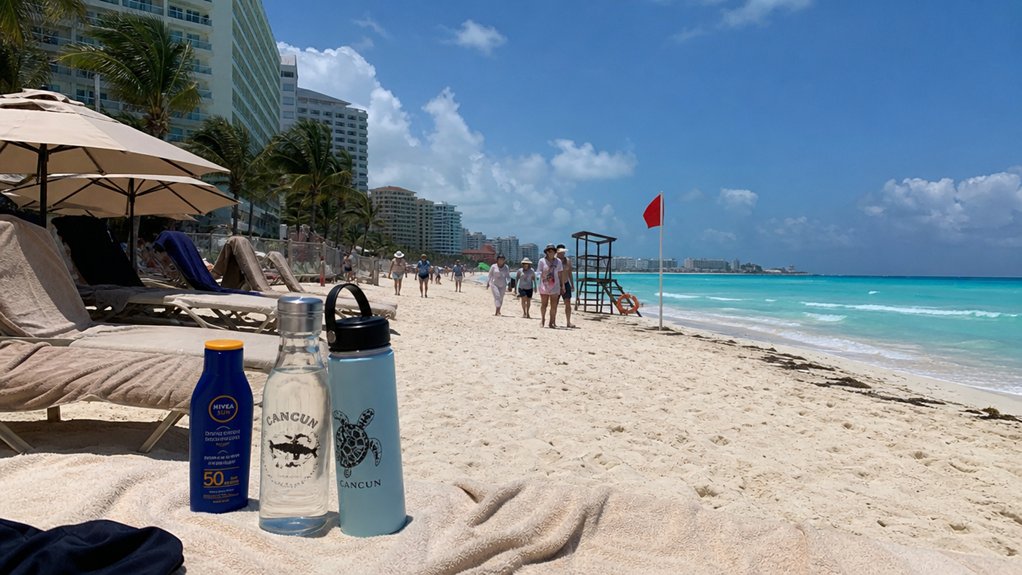
Before you pack your swimsuit and reef-safe sunscreen, check two Cancun wild cards that can change the whole beach mood: sargassum and hurricane season.
- Hurricane season runs June through November, so watch forecasts and local advisories before and during your trip.
- Sargassum shows up most often from March to August. It’s unpredictable, and it can turn bright water brown and a beach walk smelly.
- Check the Red de Monitoreo de Sargazo or ask your hotel for fresh beach updates. Conditions can shift fast.
- Buy travel insurance that covers weather delays. If sargassum piles up, swap the shore for a hotel pool, a cenote, or cleaner water nearby. Flexibility keeps the trip fun, and your sandals might appreciate the break too.
If the beach looks rough, Nichupté Lagoon offers a calmer natural oasis in Cancun for a change of scenery.
Take the Best Day Trips Beyond Cancun
If the beach forecast looks iffy, Cancun gives you an easy excuse to roam. You can chase history at Chichen Itza, about two hours away, where guided trips often add a cenote swim and Valladolid for $35 to $60.
| Trip | Picture |
|---|---|
| Isla Mujeres | Fifteen ferry minutes, white sand, snorkels, grilled fish |
| Ruta de los Cenotes | Early light on jungle roads, cool blue sinkholes |
| Tulum or whale sharks | Clifftop ruins, or summer giants from May to September |
You can also bike or drive the Ruta de los Cenotes near Puerto Morelos in 30 to 40 minutes. If you want an easy half day, hop to Isla Mujeres. The day trip from Cancun is especially easy thanks to the short ferry ride. Pack cash, sunscreen, and your sea legs. Small groups help and life jackets usually come with snorkel gear.
Frequently Asked Questions
Do I Need to Speak Spanish to Get Around Cancun?
You don’t need Spanish to get around Cancun, but you’ll navigate more smoothly with basic phrases. In tourist areas, bilingual signage and English help; elsewhere, translation apps make directions, prices, and quick interactions much easier.
Is Cancun a Good Destination for Families With Young Children?
Yes—Cancun balances adventure with ease, so you’ll find resorts with kids’ clubs, strong beach safety, decent stroller access, and kid friendly menus. You can easily mix short outings with pool time, keeping young children happy.
Can I Drink Tap Water in Cancun Hotels and Resorts?
No, you shouldn’t drink tap water in Cancún hotels and resorts unless hotel policies confirm reliable water filtration. You should follow bottled preferences, use provided purified water, and ask whether ice comes from safe water.
What Are Cancun Nightlife Dress Codes and Age Restrictions?
Expect smart-casual or dressy dress standards at upscale clubs, while casual spots stay relaxed. You’ll need original photo ID for venue entry, and many places set 18+ or 21+ alcohol limits and enforce no re-entry.
Is Wi-Fi Reliable in Cancun for Remote Work and Calls?
Yes—because paradise obviously doubles as your office—you can usually trust hotel bandwidth and cafe hotspots for calls, but you shouldn’t skip cellular backup. Test speeds, avoid evenings, and download files before ferries or cenotes.
Conclusion
With your passport checked, pesos ready, and airport ride sorted, you’ll step into Cancun with fewer surprises and more room to explore. You can watch the water flash turquoise, hear buses hiss along Hotel Zone stops, and feel warm sand cling to your ankles like sugar. Stay alert with food, weather, and transport. Then let curiosity lead you to cenotes, ruins, and late sunsets. Cancun works best when you plan smart and leave a little space for wonder.
Private Cancun Airport Round Trip Transportation
Our staff is committed to providing excellent service, All our operators are certified drivers ready to help you with your luggage and take it quickly...
Prívate Transfer: Cancun Airport to Cancun, Playa or Tulum
Private & Personalized – This is a 100% private transfer, meaning the vehicle is reserved only for you and your gr...
Cancun Airport: Shuttle Cancun or Playa del Carmen Hotels
With this convenient and affordable service, you won't have to worry about scheduling a taxi or trying to navigate o...
Mera VIP Lounge at Cancun International Airport
Make the most out of your airport departure experience at the Mera Business Lounge, Cancun Airport's most exclusive...