
Cancun Travel Tips for First Timers
In Cancun, one overlooked arrival mistake can cost time and money—these first-timer tips help you avoid it.
You’ll land in bright heat, hear the rush of tour reps, and spot turquoise water almost at once. Cancun feels easy at first, but your trip goes smoother when you prebook airport transfers and tours, pack reef-safe sunscreen and a waterproof phone case, carry pesos plus your passport and FMM, and sidestep random taxi or timeshare pitches with a calm smile. A few smart moves can save you money, time, and one very sweaty mistake.
Key Takeaways
- Visit November to March for the best weather; monitor hurricanes June to October and sargassum reports March to August.
- Bring a valid passport, keep your FMM tourist permit safe, and carry return flight and hotel confirmations.
- Prebook a hotel shuttle or private transfer to avoid airport solicitors, taxi bargaining, and timeshare sales pitches.
- Use reef-safe SPF 30+ sunscreen, drink bottled water, and carry insect repellent, especially during the rainy season.
- Pack medications with prescriptions, a small first aid kit, and quick-dry gear for beach, park, and sudden rain days.

Private Round Trip Airport Transfers to Cancun (Flat Rate)
100% secure & affordable prices. Hire private van, flat rate per vehicle, bilingual chauffeurs and personalized service. FREE fight tracking and banne...

Cancun Airport Transfers - Private Van ROUND TRIP
100% secure & affordable prices. Hire private van, flat rate per vehicle, bilingual chauffeurs and personalized serv...

Airport Transfers to Puerto Juarez - Private van (ROUND TRIP) FLAT RATE
100% secure & affordable prices. Hire private van, flat rate per vehicle, bilingual chauffeurs and personalized serv...

Airport Transfers to Puerto Morelos - Private van (ROUND TRIP) FLAT RATE
100% secure & affordable prices. Hire private van, flat rate per vehicle, bilingual chauffeurs and personalized serv...
When Is the Best Time to Visit Cancun?

When should you go to Cancun? For many first timers, the best time to visit is November through March. You’ll get cooler, dry days around 75 to 85°F, warm water near 80°F, and easy conditions for swimming, snorkeling, and long beach walks. The tradeoff is simple: this is peak season, so Cancun Travel costs rise and resorts, tours, and parks feel busier.
If you want lower rates and thinner crowds, look at May or late October. These shoulder months can work well, but you’ll need to watch hurricane forecasts. June through October brings more humidity, afternoon showers, and higher storm risk, especially in September and October. Also check beach reports for sargassum. Seaweed surges often show up from March through August, sometimes right on cue. Many travelers consider the best time to be the cooler dry season because it offers the most comfortable mix of weather and beach conditions.
What Documents Do You Need for Cancun?
Before you sink your toes into Cancun’s bright sand, make sure your paperwork is just as ready as your swimsuit. You’ll need a Valid passport with at least six months left and one blank page for entry. Keep your Forma Migratoria Múltiple tourist permit safe with your passport. Losing it can mean a replacement fee of about US$60 at the airport. The Multiple Immigration Form is generally issued for one entry only and can be valid for up to 180 calendar days, starting when your passport is stamped on arrival. Pack printed or digital proof of your return flight and hotel booking since immigration may ask. If you travel with insulin, an inhaler, or an EpiPen, bring prescriptions, device documents, and enough medicine for the whole trip. Planning to rent a car? Bring your driver’s license and credit card, and expect to buy Mexican liability coverage, called daños a terceros, at rental counters there.
How Should You Book Cancun Airport Transfers?
Your passport gets you through the line, but your airport transfer decides how your first hour in Cancun feels. Book it before you fly. A prearranged ride saves money, skips the taxi pitch, and gets you moving toward the palms instead of standing under bright terminal lights.
Book your Cancun airport transfer before you land, and trade taxi chaos for palms, sea air, and an easy first hour.
- Choose a hotel shuttle, Etransfers, or another reviewed service.
- Use the ADO bus only for downtown, not the Hotel Zone.
- Pick shared shuttles for savings or private rides for door-to-door ease.
- Confirm the meeting point, save contact details, and keep your transfer confirmation plus passport or FMM page handy.
The Cancun Airport to Hotel Zone trip is easiest when you arrange transportation in advance and follow a clear transfer plan. Then head straight to your driver and let Cancun start smoothly. You’ll trade confusion for sea air, rolling luggage sounds, and that first glimpse of sunshine on the road.
How Do You Get Through Cancun Airport Safely?
Usually, the safest way through Cancun Airport is the simplest one: land, clear immigration, grab your bags, and go straight to your prebooked driver or an official airport taxi or shuttle counter.
Keep your passport and transfer confirmation handy, secure cash in a money pouch, and don’t linger for anyone offering rides or “help” outside the terminal. Timeshare sellers sound friendly, but your best move is a smiling no and a steady walk. If you received a paper FMM form, stash it safely because replacing it at the airport can cost about $60. For the cheapest ride downtown, take the ADO bus. For a Hotel Zone drop-off, choose your shuttle or prearranged transfer. After baggage claim, the airport gets loud fast, so keep moving.

Cancun Airport and Royalton Riviera Cancun Private Shuttle
Embark on a journey of comfort and reliability with our premier transportation services! Experience smooth airport t...

Cancun Airport and Riu Palace Peninsula Private Shuttle
Embark on a journey of comfort and reliability with our premier transportation services! Experience smooth airport t...

Cancun Airport and The Pyramid at Grand Oasis Private Shuttle
Embark on a journey of comfort and reliability with our premier transportation services! Experience smooth airport t...
What Should You Pack for Cancun?
When you pack for Cancun, think beyond swimsuits and flip-flops so you’re ready for blazing sun, sudden showers, and long beach days that turn into breezy nights. You’ll want smart beach and sun gear like reef-safe sunscreen, a waterproof phone case, and a dry bag, plus solid footwear and rain protection for cenotes, rocky shores, and those quick tropical downpours. Don’t forget the less glamorous essentials either, because your travel documents, medications, and a small health kit can save the day faster than your second swimsuit dries. It’s also smart to pack lightweight, breathable clothing for Cancun’s tropical climate so you stay comfortable while exploring beyond the beach.
Beach And Sun Gear
Because Cancun’s sun feels strong early and lingers well past lunch, smart beach gear can make the difference between a dreamy swim and a long, sticky reset back at the hotel. Staying prepared also supports tourist safety by helping you avoid sun exhaustion, dehydration, and other common beach-day problems in Cancun.
- Bring reef-safe sunscreen. Eco-parks like Xcaret and Xel-Ha often ban regular formulas, and on-site biodegradable bottles can cost about $20.
- Pack two swimsuits, a quick-dry cover-up, and a light long-sleeve shirt for blazing afternoons and cooler November evenings.
- A waterproof phone case or dry bag saves your tech on boats, in cenotes, and while snorkeling.
- Add water shoes, a wide-brim hat, and a compact poncho or travel umbrella for rocky entries, sargassum days, sudden rain, and sticky humidity. Your future self will smirk. You’ll spend less time drying out and more time floating.
Travel Documents And Health
Sun and salt may rule your beach bag, but your trip runs on paperwork and a few health basics. Pack your passport with at least six months left, and keep your FMM tourist card tucked beside it. Bring photocopies or phone scans of both, since replacing a lost FMM tourist card can cost about $60 at immigration.
Carry prescription medicine, copies of prescriptions, and any devices you need, from inhalers to insulin kits. Add a small first aid kit, a traveler’s diarrhea antibiotic, biodegradable sunscreen, and insect repellent, especially from May through October. Make sure you’re up to date on routine vaccines and pack any extras you may need, since replacing medicines abroad can be difficult. Use a secure pouch for cards, cash, and pesos. Choose a credit card with no foreign fees, and consider insurance for evacuation, storms, delays, and lost bags during hurricane season too.
Footwear And Rain Protection
Often, the right shoes make Cancun days smoother than you’d think. You’ll want options that handle slick docks, sandy beaches, muddy ruins trails, and sudden rain without drama. Even better, they dry fast and save you from squishy, squeaky misery after a storm.
- Pack water shoes or reef-safe sandals for cenotes, coral snorkel stops, and boat docks. Closed toes help on Isla Mujeres too.
- Bring quick-dry sneakers or hiking sandals for jungle parks and ruins after showers.
- Toss in comfy flip-flops for the resort, beach walks, and pool decks. They’re light, salty, and easy.
- Add a lightweight poncho or travel umbrella for June through October downpours. Keep a zip-top bag or waterproof phone case nearby.
This kind of beach vacation footwear mix keeps you ready for Cancun’s wet, sandy, and sun-soaked days.
Still comparing Airport Transfers?
Ask for tour ideas, hotel suggestions, or a simple trip plan that combines both.
Trip Helper
How Much Cash and Which Cards Should You Bring?
While Cancun makes card payments easy at hotels and big restaurants, you’ll have a smoother trip if you bring both Mexican pesos and a backup card strategy. Pack a credit card with no foreign transaction fee for rooms, meals, and bigger buys. Keep about 2000 to 3000 MXN handy for first expenses, plus a little US cash if needed, though pesos usually get better value.
You’ll want small bills and coins for tips and quick purchases at mercados, buses, taxis, and some tours. Tip restaurants around 15 percent if service isn’t included, porters about 25 MXN per bag, and guides 10 to 20 percent. Use ATMs by day, compare fees, alert your bank, and stash backup cards and passport copies separately for extra safety. Following these Cancun travel tips can help you avoid common payment and money mistakes during your trip.
How Do You Get Around Cancun for Less?
Getting around Cancún for less is mostly about choosing the right ride at the right moment. Skip pricey airport taxis and hop on the ADO bus to downtown. It’s reliable, cool, and usually costs just a few dollars. Your wallet will notice the difference before check-in fast.
- Book a hotel shuttle or prearranged transfer to the Hotel Zone if you want easy arrival without taxi bargaining.
- Ride the green and white local buses for short Hotel Zone trips. They’re frequent, cheap, and part of the city’s rhythm.
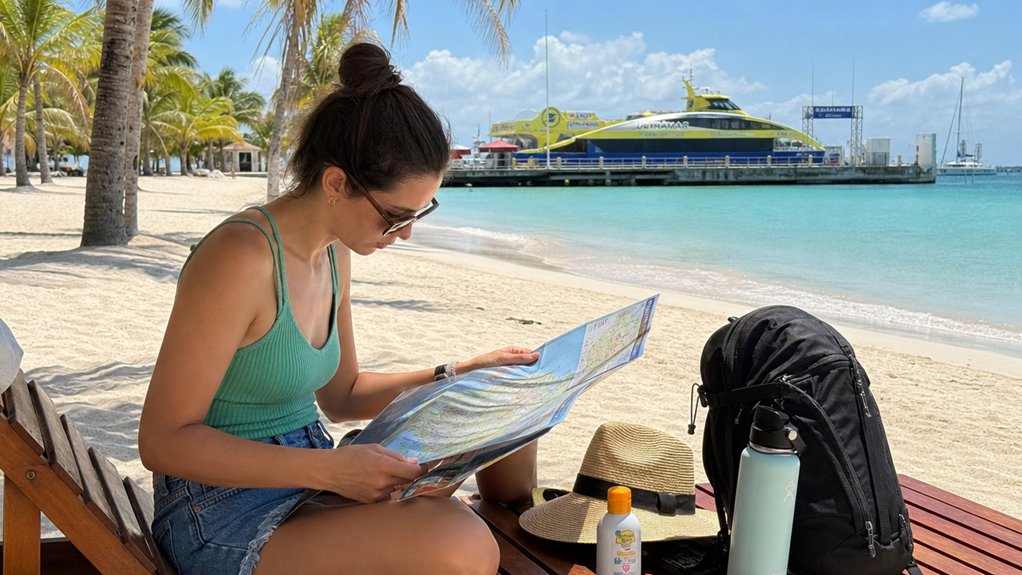
- Take Ultramar ferries to Isla Mujeres from Puerto Juárez for fixed fares, and reserve ahead in high season.
- Use ADO for regional runs to Playa del Carmen or Valladolid, then rent a golf cart on Isla Mujeres.
If you want a simple plan, without a rental car is one of the easiest ways to explore Cancún while keeping transportation costs low.
Which Cancun Tours Should You Book Early?

You’ll want to book high-demand day trips like Chichén Itzá early, because many tours sell out and your day can stretch to 10 or even 12 hours with hotel pickup before sunrise. You should also reserve popular water outings ahead of time, from Ultramar morning crossings to Isla Mujeres golf carts and seasonal whale-shark snorkeling, where spots disappear fast. If you like easy logistics, book through a reputable platform or your hotel concierge so you’ve got transport, gear, and fewer last-minute surprises. Many Chichen Itza tours from Cancun are especially popular with first-time visitors, so booking ahead can make the experience much smoother.
High-Demand Day Trips
Start planning the big-ticket outings early, because Cancun’s most popular day trips don’t stay open for long.
- Book Chichén Itzá first, especially from November through March. Guided tours vanish fast, and many run six to eight hours with hotel pickup and lunch. A Chichen Itza day trip from Cancun is one of the area’s most sought-after excursions, so the best options often sell out early.
- Reserve Xcaret and Xel-Há online or through your hotel. Entry rules and high-demand shows can cap availability sooner than you’d think.
- Lock in Isla Mujeres ferry combos early if you want a specific Ultramar departure and a golf cart waiting on arrival.
- Prearrange airport and day-trip transfers with reputable providers. You’ll skip inflated last-minute rates, airport sales pitches, and the special kind of vacation chaos nobody wants. That little planning buys smoother mornings and better choices all around.

Private Shuttle in Cancun Airport and Moon Palace Sunrise
Embark on a journey of comfort and reliability with our premier transportation services! Experience smooth airport t...

Cancun Airport and Iberostar Selection Cancún Private Shuttle
Embark on a journey of comfort and reliability with our premier transportation services! Experience smooth airport t...

Cancun Airport and Hotel Riu Palace Las Americas Private Shuttle
Embark on a journey of comfort and reliability with our premier transportation services! Experience smooth airport t...
Popular Water Excursions
Some of Cancun’s best water days disappear from the calendar faster than you’d expect. Book your Isla Mujeres ferry trip, Cozumel ferries, and reef snorkeling one to two weeks ahead, or longer from November to March, so you get the time slot and fins you want. If you want an easy Isla Mujeres day trip, locking that in early from Cancun can make the whole outing smoother.
| Excursion | When to book | Why |
|---|---|---|
| Isla or Cozumel ferry | 1 to 2 weeks early | Better departures, fewer scrambles |
| Whale-shark snorkel | Months early | Small groups sell out fast |
| Cenote dive or Xcaret day | Early | Gear, guides, pickups, sunscreen rules |
You should also reserve Xel-Há, dolphin programs, cenote guides, and boat tours with transfers. Reputable operators and your hotel concierge can save money, time, and noon sun turns patience into soup.
How Can You Stay Safe in Cancun?
Usually, staying safe in Cancun comes down to a few smart habits that let you relax and enjoy the turquoise water instead of stressing over logistics.
- To stay in Cancun confidently, book a hotel shuttle or take the ADO bus from the airport. Confirm your pickup spot and walk past terminal solicitors.
- Keep your passport and FMM secure in a money pouch. Replacing that tourist card costs money and time.
- Carry pesos for snacks, tips, and small shops. Skip late-night ATM runs and don’t withdraw huge amounts at once.
- In bars and clubs, protect your belongings, watch your drink, and avoid solo walks late at night. Be wary of pushy timeshare or taxi pitches around transit hubs. A little caution keeps the trip breezy and memorable.
Also, stay alert for spiked drinks in bars, clubs, and taxis, and never leave food or beverages unattended.
How Do You Avoid Water, Sun, and Weather Problems?
Cancun’s sun and water can wear you out fast, so you’ll want reef-safe sunscreen, a wide-brim hat, UV-blocking sunglasses, and plenty of bottled water before you head out. You’ll also save yourself trouble with a waterproof phone case, water shoes, and two swimsuits, especially when cenote rocks, reef entries, and sandy boats get rough on skin and gear. If you visit during the June to October rainy season, pack a compact poncho or small umbrella and quick-dry clothes so a loud afternoon downpour doesn’t catch you looking soggy and annoyed.
Sun And Skin Protection
Often, the fastest way to ruin a perfect beach day in Cancun is to underestimate the sun, the water, and a surprise rain shower. Your best defense is smart sunscreen strategy and a little timing. In Cancun, strong UV can toast you before lunch. Keep these Cancun travel tips in mind so you stay comfortable even when conditions change fast.
- Choose reef-safe, biodegradable sunscreen, especially for Xcaret or Xel-Há.
- Use broad-spectrum SPF 30+ and reapply every two hours, plus after swimming or toweling.
- Wear a wide-brim hat, UV-blocking sunglasses, and a rash guard on snorkel or boat days.
- Drink bottled or purified water and claim shade from 11:00 to 15:00.
Do that, and your skin stays calm, your energy lasts longer, and sunset feels rewarding, not painfully crispy, even when the sea breeze tricks you badly.
Rain And Water Readiness
Between the bright sun and the sudden splash factor, Cancun rewards travelers who pack for wet surprises. During June through October, expect bursts of rain that hit hard, then disappear fast, so carry a lightweight waterproof poncho or compact umbrella. Slip your phone into a waterproof case or dry bag before boat rides, cenote swims, and beach afternoons, where spray, sand, and sudden downpours love electronics. Wear water shoes or quick-dry sandals for rocky cenotes, slick boat ladders, and sargassum-lined shorelines from March to August. Current reports from the Sargassum Watch System suggest 2026 is likely to be another major sargassum year, with continued beaching events expected around the Caribbean. Use reef-safe sunscreen before entering Xcaret or Xel-Ha, then reapply every 80 to 90 minutes after swimming. Keep dry clothes and a zip-top bag for wet swimsuits, so your ride home feels civilized and blissfully chafe-free after long excursions.
Frequently Asked Questions
What Area Should First-Timers Stay in Cancun?
You should stay in the Hotel Zone if you want beaches, resorts, and easy nightlife. Choose Downtown if you’d rather save money and eat locally. You’re close enough to visit El Rey Archaeological Site easily.
Do I Need to Speak Spanish in Cancun?
No—you don’t need Spanish in Cancun; sleek resorts speak English, while bustling markets reward Basic phrases and Local etiquette. You’ll order easier, bargain smarter, and handle signs, taxis, or official offices with less stress.
Are Cancun Beaches Public or Private?
Yes, you can use Cancún’s beaches because Mexican law guarantees public access, even by private resortfronts. You’ll pay for beachfront facilities sometimes, but not the shore itself. Follow shoreline etiquette and use marked entrances there.
What Nightlife Dress Codes Should I Expect in Cancun?
Beachy bars stay super casual, while you’ll need smart casual or dressier looks for clubs and upscale resort venues. Skip swimwear, flip-flops, and tank tops; bring a collared shirt or chic dress, and check ahead.
Can I Use My Phone and Data Plan in Cancun?
Yes, you can use your phone in Cancun if your carrier supports international roaming. You should confirm rates first, or save money with a local eSIM, jailbroken phone, hotel Wi‑Fi, and offline maps downloaded beforehand.
Conclusion
With a little planning, you’ll land in Cancun ready for the turquoise sweep of the sea, the warm slap of salt air, and the clink of pesos at a beach bar. Book rides and top tours early. Keep your passport, FMM, and meds close. Pack reef-safe sunscreen, water shoes, and patience for airport hawks. Then drink water, watch the weather, and let Cancun open like a bright postcard that finally starts moving around you today.
Private Round Trip Airport Transfers to Cancun (Flat Rate)
100% secure & affordable prices. Hire private van, flat rate per vehicle, bilingual chauffeurs and personalized service. FREE fight tracking and banne...

From Cancun Airport To Akumal (Round Trip)
"ROUND TRIP TRANSPORTATION" Enjoy a unique experience our services are totally private, you will not share your tra...

From Cancun Airport To Playa Del Carmen (Luxury Transportation) Round Trip
Enjoy a unique experience our services are totally private, you will not share your transportation with strangers, a...

From Cancun Airport To Costa Mujeres (Luxury Transportation) Round Trip
ROUND TRIP TRANSPORTATION Enjoy a unique experience our services are totally private, you will not share your trans...
Experiences to explore
 Explore experience ↗
Scuba Diving (1st time) in Cancun Beginner's WELCOMED!
◷ 5 hr 30 min
This is NOT a LARGE COMPANY operated tour with employees! I offer a small, personalized, profesional AND relaxing scuba diving atmosphe
See dates for Current pricing
View dates Explore experience ↗
Cancun Airport CUN Arrival or Departure Transfer
◷ 55 min
Your safety is our crew’s biggest priority. Before your journey even begins, your driver completely disinfects the vehicle and places f
See dates for Current pricing
View dates Explore experience ↗
Cancun Airport Luxury Arrival Transfer in Mercedes Maybach GLS600
◷ 30 min
Ride the Mercedes-Maybach GLS 600 with the chrome grille with thin vertical bars, the exclusive Maybach wheels and the elegant extendab
See dates for Current pricing
View dates

